
Wooden Ceilings
Building Private Homes with Wooden Ceilings: Techniques, Benefits, and Key Characteristics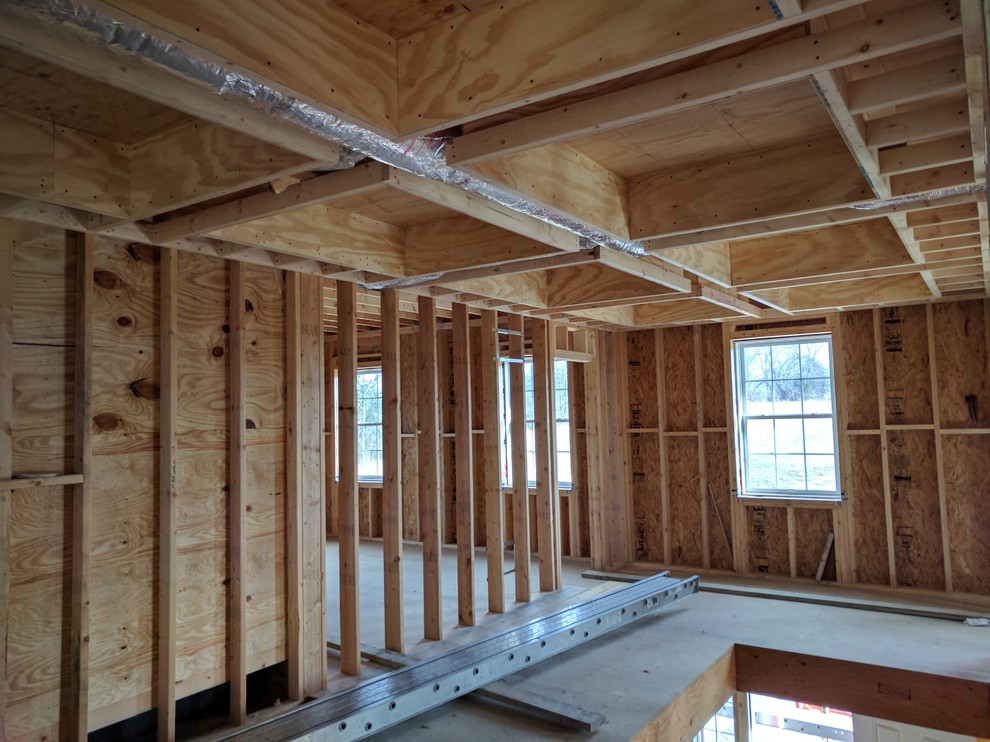
Wood has been one of the oldest and most reliable construction materials in residential architecture. Even today, when modern technologies offer endless alternatives, wooden ceilings remain widely used in private home construction due to their durability, aesthetics, and practical performance. Wooden ceiling systems provide structural support, contribute to the architectural style of the house, and offer excellent environmental and energy-efficient qualities.
This article explores how wooden ceilings are used in private home construction, their technical characteristics, installation principles, advantages, limitations, and why they remain a relevant structural solution for modern residential buildings.
1. What Is a Wooden Ceiling in Residential Construction?
A wooden ceiling is a horizontal load-bearing structure made of timber beams, joists, and finish materials that separates building floors or creates the roof base in single-story homes. In private house construction, wooden ceilings typically serve several major purposes:
Structural support between floors
Load distribution onto walls or structural frames
Sound and thermal insulation
Aesthetic interior finishing
A supporting base for roofing systems
Wooden ceilings can be exposed and used as a visible design feature or fully concealed behind finishing materials such as drywall or panels.
2. Common Types of Wooden Ceilings
2.1 Beam-Based Traditional Ceiling
The classic solution consists of:
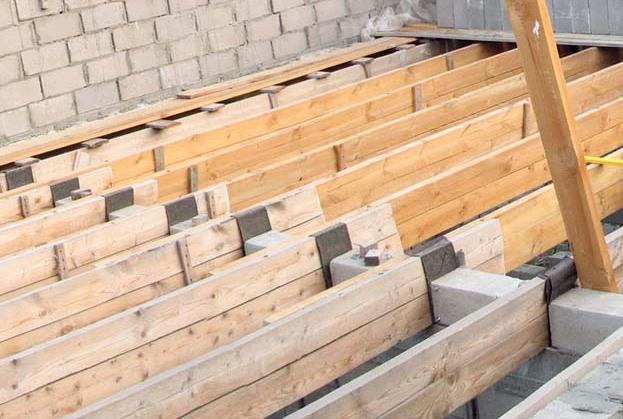
Load-bearing wooden beams
Secondary joists
Insulation layers
Ceiling finishing
This method has been used for centuries and remains popular due to its reliable performance and versatility.
2.2 Panel and Modular Systems
Pre-manufactured panels or wooden modules are installed directly on beams or metal fasteners. These systems offer faster installation and aesthetic flexibility.
2.3 Exposed Decorative Ceilings
Beams and planks remain visible and become part of the interior design. This approach is especially common in:
Country houses
European-style cottages
Scandinavian interiors
Loft and rustic design
Exposed wooden ceilings highlight natural wood texture and create visual warmth.
3. Materials Used in Wooden Ceiling Construction
The performance and lifespan of any wooden ceiling depend heavily on the quality of materials. The most common types of wood include:
Pine – affordable, lightweight, durable
Spruce – high strength and low weight
Larch – moisture and decay resistant
Oak – extremely strong and long-lasting, premium choice
Engineered timber (glulam or LVL) – stable, strong, minimal deformation
Wood is often factory-treated to protect against:
Insects
Rot
Moisture
Fire risks (via flame-retardant coatings)
4. Structural Characteristics
4.1 Load Strength
Wooden ceilings can bear significant loads when properly designed. Standard beams may handle:
Living floor loads
Furniture and equipment
Some non-load-bearing walls
Roof structures
Engineered timber solutions further increase load capacity and reduce deformation risks.
4.2 Span Length
Typical beam spans range from:
3–6 meters for residential buildings
Up to 8–12 meters when using engineered LVL or glulam beams
This allows flexible interior planning without excessive internal supports.
4.3 Weight
Wooden ceilings are lightweight compared to reinforced concrete or steel structures, which reduces:
Load on foundations
Wall thickness requirements
Construction costs
This is especially beneficial for private houses with lighter building systems such as brick, aerated concrete, or ceramic blocks.
5. Installation Principles
5.1 Structural Support
Ceiling beams must rest on:
Load-bearing brick walls
Reinforced concrete belts
Steel or wooden frameworks
Horizontal alignment and secure anchoring are crucial for long-term stability.
5.2 Insulation Layers
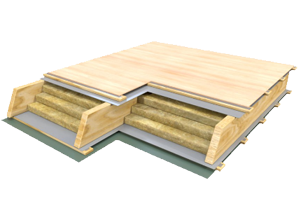
A standard wooden ceiling includes:
Mineral wool or other insulation material
Vapor barrier
Acoustic and thermal layers
Optional fire-resistant sheets
Proper insulation significantly improves energy efficiency and reduces sound transmission between floors.
5.3 Finishing Options
Ceilings can be finished using:
Wood boards
Decorative panels
Drywall
Veneered sheets
In modern interiors, the choice often depends on desired visual and functional outcomes—minimalist, traditional, rustic, or contemporary.
6. Advantages of Wooden Ceilings
6.1 Environmental Sustainability
Wood is a natural, renewable, and low-carbon construction material. It stores CO₂ rather than producing it, making wooden ceilings eco-friendly and aligned with modern green building standards.
6.2 Fast Installation
Wooden ceiling structures are assembled quickly without heavy equipment. Most single-family homes can complete ceiling installation within days.
6.3 Thermal Efficiency
Wood has low thermal conductivity, helping:
Maintain stable indoor temperature
Reduce heating and cooling costs
Improve energy efficiency of the building
6.4 Aesthetic Value
Wood brings warmth, natural beauty, and architectural appeal. Exposed beams are considered a premium interior feature in many design styles.
6.5 Lower Building Load
Because wooden structures are lightweight, they allow:
Smaller foundation dimensions
Reduced overall construction cost
Compatibility with light wall systems (aerated concrete, ceramic block, wood frame, etc.)
6.6 Easy Maintenance and Repair
Damage to individual elements is typically localized and repairable without large-scale reconstruction.
7. Possible Limitations
7.1 Fire Safety
Untreated wood is combustible. Modern construction standards address this through:
Flame-retardant coatings
Fire-resistant boards
Structural design that limits fire spread
7.2 Moisture Sensitivity
Wood can absorb moisture, leading to:
Swelling
Rot
Biological decay
Preventive measures include:
Waterproofing
Regular maintenance
Choosing properly dried and treated wood
7.3 Sound Transmission
Wood can transmit noise between floors if not properly insulated. High-density sound absorption materials should be installed in ceiling cavities to mitigate impact and airborne noise.
8. Using Wooden Ceilings with Brick Construction
Traditional brick houses pair exceptionally well with wooden ceilings. Benefits include:
Structural Compatibility
Brick walls provide strong load-bearing capacity and stability for wooden beams.
Enhanced Thermal Performance
Brick’s thermal mass combined with wood insulation creates:
Stable indoor climate
Reduced heat loss in winter
Improved summer cooling
Architectural Elegance
Exposed wood against brick interiors is a timeless design solution widely used in:
Country homes
Villas
European cottages
Premium residential developments
Flexible Interior Planning
Long beam spans allow open layouts without excessive dividing walls.
9. Applications in Modern Residential Architecture
Wooden ceilings are widely used in:
Private cottages
Two-story residential buildings
Attic floors
Classic and modern design interiors
Timber-frame and mixed-material houses
Homes pursuing eco-certification or sustainable construction standards
They remain popular in premium housing because of their visual warmth, natural atmosphere, and solid engineering performance.
10. Cost Factors
The cost of a wooden ceiling depends on:
Wood type
Span length
Insulation materials
Fire and moisture protection
Finishing systems
Labor pricing
In many cases, wooden ceilings are more cost-effective than reinforced concrete slabs because they require:
Less labor
No heavy machinery
Smaller foundations
This makes them an economical yet durable solution for private home construction.
11. Conclusion
Wooden ceilings play a crucial role in modern private home construction, offering a strong balance of structural performance, natural aesthetics, environmental sustainability, and cost efficiency. When properly designed and installed, they can serve for decades, providing:
High load-bearing capacity
Energy-efficient thermal performance
Excellent architectural expression
Compatibility with brick and many other wall systems
Whether used in traditional or contemporary architecture, wooden ceilings remain a reliable and attractive solution for private residential buildings and continue to prove their relevance in modern construction technology.